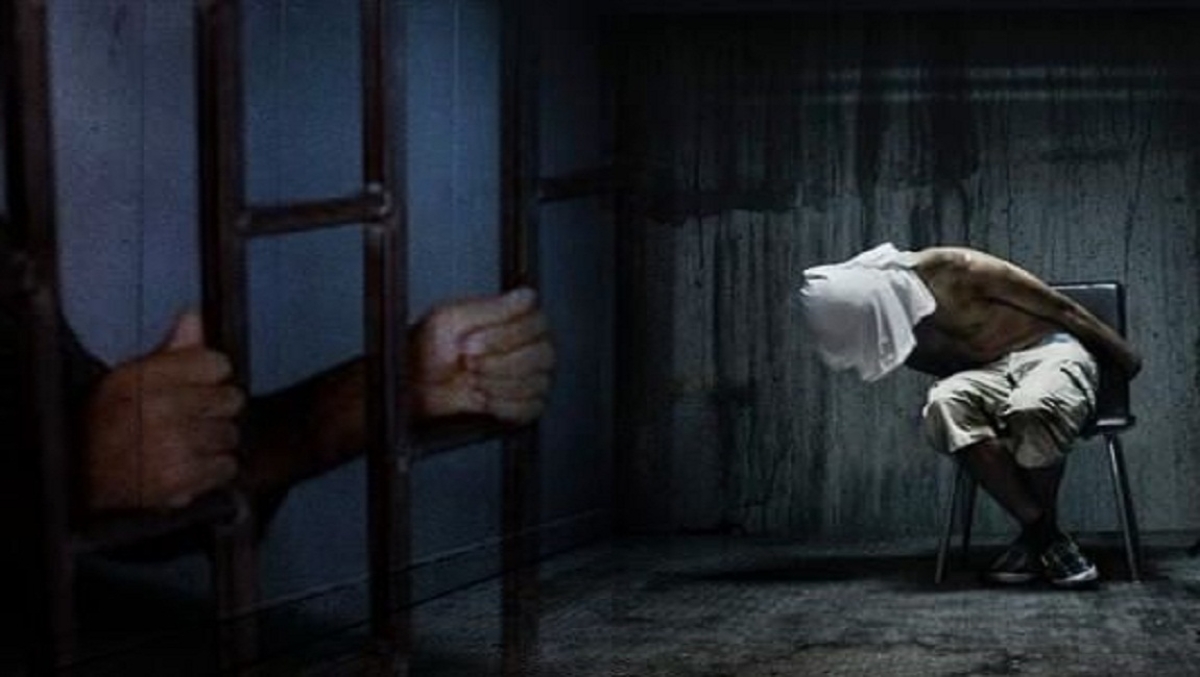
The spread of scabies among detainees in Israeli prisons poses a threat to their lives, with the approach of winter
on . Posted in slider
Commission of Detainees Affairs:
The spread of scabies among detainees in Israeli prisons poses a threat to their lives, with the approach of winter

Update on the number of detainees in Israeli occupation prisons
on . Posted in slider
Update on the number of detainees in Israeli occupation prisons
November 2025
- This data is based on information published by detainees’ institutions and what has been announced by the Israeli Prison Service as of November 2025.
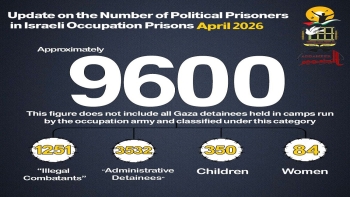
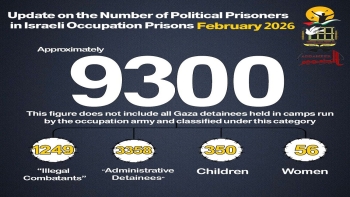
- The number of detainees held in Israeli occupation prisons has exceeded 9,250, the majority of them are detainees held under administrative detention and those who still under arrest. It is important to note that this figure does not include those held in military camps subordinate to the Israeli army.
- According to the Israeli Prison Service, as of November 2025, the number of sentenced detainees reached 1,242.
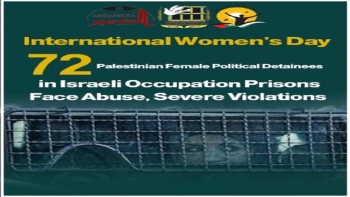
- The number of female detainees stands at 49, including one woman from Gaza.
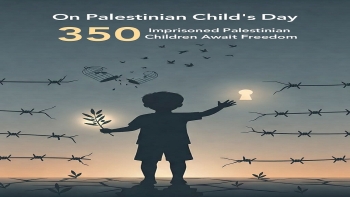
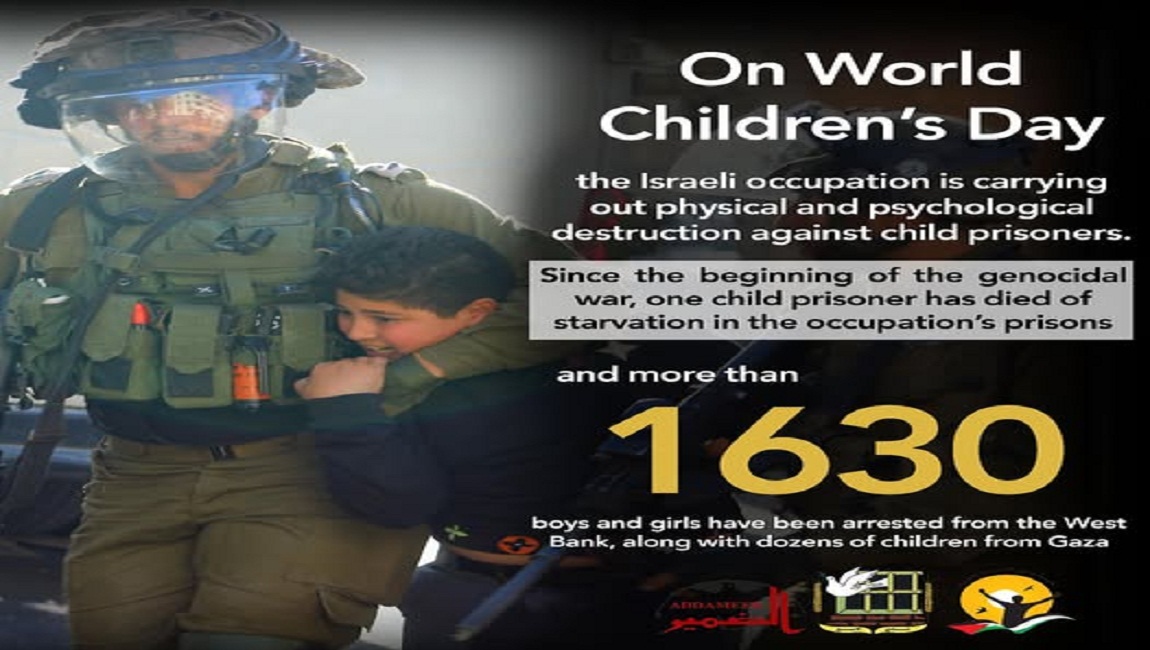
- The number of minor detainees has reached 350, held in Ofer and Megiddo prisons.
- The number of administrative detainees stands at 3,368.
- The number of detainees classified as “unlawful combatants” stands at 1,205. This figure does not include all detainees from Gaza who are held in army camps under this same classification. It is worth noting that this category also includes Arab detainees from Lebanon and Syria.
Detainees’ Institutions

Detainees in “Megiddo” prison are enduring extremely tough conditions
on . Posted in slider
Detainees in “Megiddo” prison are enduring extremely tough conditions
November 19, 2025
The Commission of Detainees’ Affairs reported on Wednesday that minor detainees held in Megiddo Prison are living increasingly difficult humanitarian conditions, as restrictive measures and harsh treatment continue inside the facility.
During a visit by the Commission’s attorney to several detainees, the severity of the minors’ suffering was clear. Among them was Ahed Mahmoud Salman (17), from the town of Qusin, who has been held under administrative detention since July. He is placed in a section with eight detainees, some of whom are infected with scabies due to overcrowding and insufficient medical care, which has caused painful boils for several detainees.
The attorney also met with detainee Kareem Salim Saba’aneh (16), from Jenin, who is scheduled to appear in court in early January. Although his condition has improved after having scabies, he and eight others held in the same room have been denied access to the outdoor yard without any reason, in addition to facing a shortage of clothing and poor-quality food.
Meanwhile, detainee Mohammad Jumaa Zbeidat (17), from Jericho, is experiencing serious health concerns, including severe tooth and ear pain that prevents him from sleeping. He has also lost ten kilograms due to inadequate nutrition provided in the prison.
The detainees who spoke to the attorney reported frequent transfers within the prison and the relocation of many administrative detainees to Ketziot and Ofer prisons. They also highlighted that bright lights remain on inside the rooms around the clock, adding to their physical and psychological strain.
These accounts offer a glimpse into the harsh and degrading conditions that detainees, particularly minors, are forced to endure.
The suffering of detainee Mujahid Akkoub (30) has escalated as well. He was injured by two bullets that damaged his right hand and the vein in his foot. Despite undergoing two surgeries, he continues to struggle with severe pain in his hand and back. The prison administration has stopped providing adequate pain medication, giving him only painkillers, and the cold weather has worsened his discomfort.
Detainee Ihab Shouli (39) also told the attorney that he has lost weight and is suffering from scabies, noting that prison sections are frequently raided while detainees are away on visits.
A few weeks ago, the prison administration removed all storage cabinets from the cells, forcing detainees to keep their belongings under their beds. Despite the cold temperatures, winter blankets have not been provided.
The minor detainee Yamen Al-Darbi (15) remains infected with scabies and is held in Section 6 of Megiddo prison, which lacks even the minimum standards of living conditions and medical care.
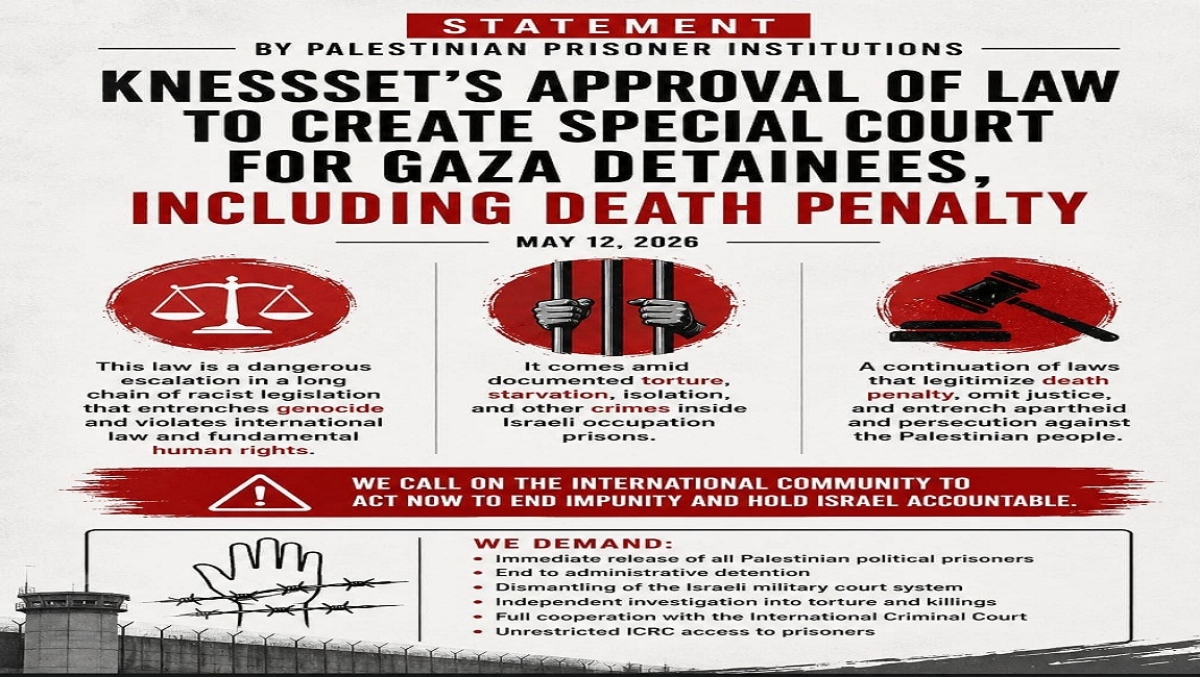
An Israeli Draft Bill Imposing Death Penalty Against Palestinians
on . Posted in slider
10 November 2025
Position Paper Issued by Palestinian Human Rights Organizations:
An Israeli Draft Bill Imposing Death Penalty Against Palestinians
Introduction
On Monday, 03 November 2025, the National Security Committee of the Israeli Knesset approved a draft bill imposing the death penalty on Palestinians. The bill, if enacted, would apply the death penalty to any person who kills an Israeli on national grounds. The Knesset was expected to approve the bill in its first reading this week; however, Israeli media outlets reported that consideration of the bill has been postponed, along with several other draft bills, due to internal factional disputes within the Knesset.
Current deliberations on this bill, whether in the media or among human rights organizations, present a deceptive and misleading image portraying Israel as one of the states that do not apply the death penalty saying that it had already abolished this penalty but now intends to reactivate it against Palestinian detainees. This position paper seeks to clarify the facts surrounding the death penalty in Israel and to demonstrate that, in practice, Israel has continued to implement it against Palestinians in the occupied Palestinian territory (oPt) for decades.
- The State of Israel is not among the states that have abolished the death penalty. It has not also acceded to the Second Optional Protocol to the International Covenant on Civil and Political Rights (ICCPR) of 1966, adopted in December 1989, which obliges signatory states to abolish the death penalty. Accordingly, Israel remains among the states whose national legislation continues to provide for the death penalty.
- Since its establishment in 1948, Israel inherited the laws of the British Mandate over Palestine, which included the death penalty, particularly the 1945 Emergency Regulations that embody the colonial experience in oppressing and suppressing peoples under colonial rule. In 1954, Israel abolished the death penalty for ordinary civilian murders but continued to apply it for crimes related to the pursuit of Nazis, genocide, and treason offenses. In 1962, Adolf Eichmann was executed by hanging after being convicted of genocide and crimes against humanity.
- The most alarming aspect of the new draft bill is that it applies retroactively, marking an unprecedented escalation in Israeli legislation, particularly in the field of penal law, as it would take effect immediately upon its enactment and publication. It is evident that this bill was drafted in line with the positions of senior figures in the Israeli government, including Minister of National Security Itamar Ben-Gvir, with the intent of executing collective death sentences that could target hundreds of Palestinian detainees from the Al-Qassam Brigades’ elite forces who were arrested on or after 7 October. Thus, the essence of this draft bill reflects a retaliatory and revengeful motive, rather than serving as a measure of deterrence or prevention.
- The non-issuance or execution of death sentences by Israeli courts against Palestinians has never stemmed from any legal or moral commitment, nor from respect for human dignity. Rather, it has been driven by security considerations- on the one hand, to extract information from detainees at later stages, and on the other, to maintain the inhumane conditions to which Palestinian detainees are subjected. In all, these practices amount to a form of slow death for the detainees.
- The Israeli Occupation Forces (IOF) have perpetrated- and continue to perpetrate-thousands of extrajudicial executions against Palestinians through various methods, most notably:
- Assassinations: Assassinations or what Israel refers to as “targeted killings” constitute an official and declared Israeli policy against Palestinians. Under this policy, Palestinians are targeted and killed based on information collected by Israeli security apparatuses. Thus, the IOF acts as both prosecutor and judge, serving as the authority that approves and carries out these unlawful assassinations. While perpetrating such crimes, the IOF show no regard for the lives of others who may be killed alongside the intended targets. According to Palestinian human rights organizations, the IOF has conducted hundreds of assassinations over the decades. The majority of the victims of these crimes were defenseless, non-targeted civilians, including children and women, who happened to be present at the scene of the attack.
- Sniping Operations: the human rights organizations have documented hundreds of cases in which trained snipers from the IOF opened fire on Palestinian civilians, killing them instantly. During the genocide in the Gaza Strip, these human rights organizations recorded dozens of incidents where Israeli snipers targeted defenseless Palestinian civilians, either during the evacuation of Gaza’s population or as civilians attempted to obtain humanitarian aid, among other circumstances. During the Great March of Return protests in 2018, the organizations documented dozens of additional cases where Israeli snipers, positioned in fortified military watchtowers, opened fire on participants in the peaceful protests along the Gaza border fence. As a result, hundreds of protesters were killed and injured.
- Shooting at military checkpoints: the organizations have documented dozens of shooting incidents in which Palestinian civilians were killed at Israeli military checkpoints, particularly in the West Bank, where the IOF have erupted hundreds of checkpoints separating Palestinian cities, villages, and refugee camps. These incidents reflect the IOF’s permissive rules of engagement, which authorize soldiers to kill Palestinians in cold blood.
- Shooting peaceful protesters in the West Bank: Amid loose rules of engagement, hundreds of Palestinians participating in peaceful protests have been killed during IOF incursions deep into residential areas under the control of the Palestinian Authority, or during demonstrations protesting settlement expansion and land seizures. The organizations have documented hundreds of killing incidents in which the protesters posed no threat whatsoever to the lives of Israeli soldiers.
- Killing detainees: A slow death has become an imminent fate for many Palestinian detainees held in IOF prisons and detention facilities due to the systematic deterioration of inhumane living conditions. Dozens of Palestinian detainees have died as a result of deliberate medical neglect and ill-treatment. The brutal use of torture methods has also claimed the lives of tens of detainees. Since 7 October 2023, and according to hundreds of testimonies from released detainees, torture, as well as degrading and inhuman treatment, have been practiced on a widespread scale. The exact number of detainees killed under torture remains unknown; however, documentation by the human rights organizations indicates that more than 50 detainees have been killed, while hundreds have been forcibly disappeared, raising serious concerns that many may have been extrajudicially executed during their detention.
Conclusion
Israel presents itself among the states that have abolished the death penalty- at least for ordinary murder crimes- yet it has never fully repealed this inhuman punishment in law, and in practice continues to carry out extrajudicial executions through various means. The enactment of a new law imposing the death penalty exclusively against Palestinians marks a new episode in the ongoing series of oppression and constitutes a grave escalation in Israel’s widespread violations against Palestinians, including hundreds of extrajudicial executions. This law will apply solely to Palestinians, thereby revealing yet another facet of Israel’s apartheid regime, as the death penalty will not be enforced against any Israeli who kills a Palestinian.
Commission of Detainees Affairs reports two painful arrest testimonies of female detainees by Israeli forces
on . Posted in slider
Commission of Detainees Affairs reports two painful arrest testimonies of female detainees by Israeli forces
November 3, 2025
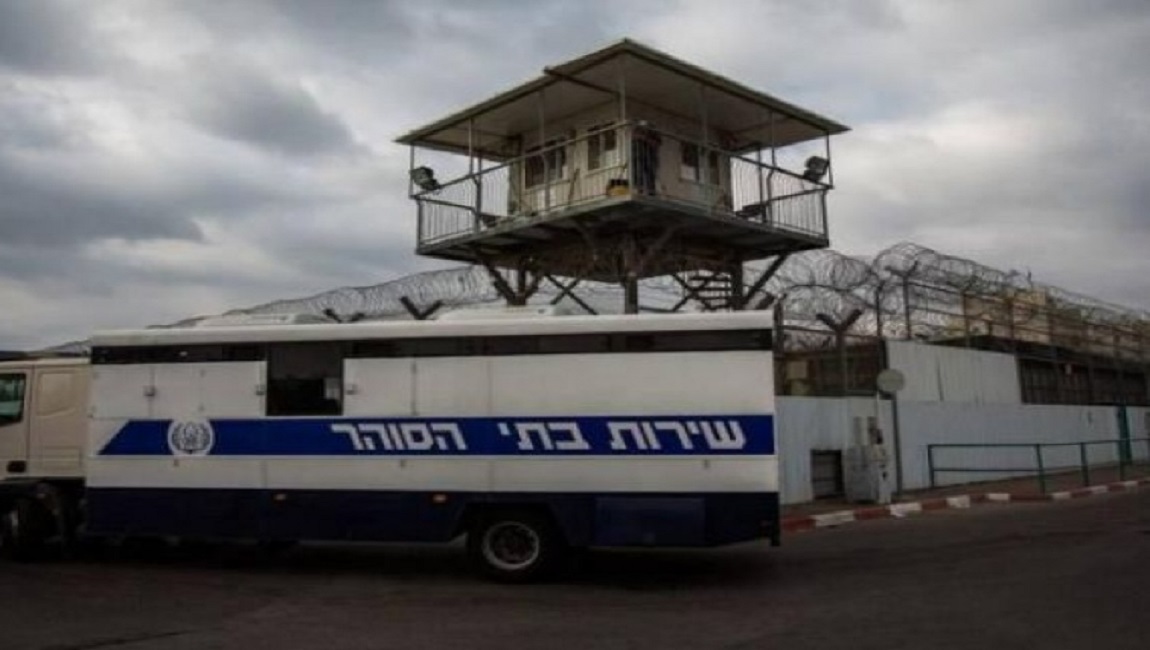
In a report released on Monday, the Commission of Detainees and Ex-Detainees Affairs highlighted, based on its lawyer’s account, the harrowing experiences of two Palestinian women, Amani al-Najjar and Masa Ghazal, who endured verbal abuse, humiliation, and mistreatment during their arrest by Israeli occupation forces.
Amani al-Najjar, 41, from al-Fawwar village near Hebron, was summoned by an Israeli army officer who contacted her by phone and instructed her to appear at the “Zif” checkpoint. She arrived at around 1:00 p.m., where she was informed that she is under arrest. Her hands were cuffed, and she was taken to the Kiryat Arba detention center for questioning. Later, she was transferred to al-Moskobiya interrogation center, where she remained for 22 days, before being moved to Ramleh, then to the Hasharon transit facility, and finally to Damon Prison, where she is currently held.
Al-Najjar described the Hasharon transit center as extremely harsh. She said she was kept in a small, cold cell under constant camera surveillance, denied food and water, and forced to sleep on a thin mattress that caused her severe back pain. She added that Damon Prison is also in very poor condition, with difficult living circumstances and a shortage of food in both quality and quantity. The prison administration, she said, often punishes detainees for making even the slightest noise, laughing is forbidden, and they are silenced with insults and curses.
It is noteworthy that al-Najjar is a mother of five and works as an English teacher.
The report also detailed the case of Masa Ghazal, 23, from Nablus, who faced similar abuse. Israeli soldiers stormed her home around 1:30 a.m., ransacking its contents. Ghazal recounted:
“I was arrested without being allowed to prepare myself. I was still wearing my prayer clothes, and the weather was freezing. They blindfolded me, tied my hands, and took me to Huwara detention center. Later, I was moved to Ariel detention center, where I was kept sitting on the floor with my hands shackled while being interrogated. Afterwards, I was transferred to Hasharon Prison under very harsh conditions, and later to Damon Prison, where I was subjected to verbal abuse and repeated cell raids. The most recent one occurred on October 13, 2025, when the guards threw our food and bedding on the floor, poured tea on us, and punished us by denying recreation time for a week, simply because we had carved our names on the wall.”
Ghazal added that she has lost about 20 kilograms due to the poor quality and insufficient amount of food.
Currently, 50 Palestinian women are being held in Damon Prison.
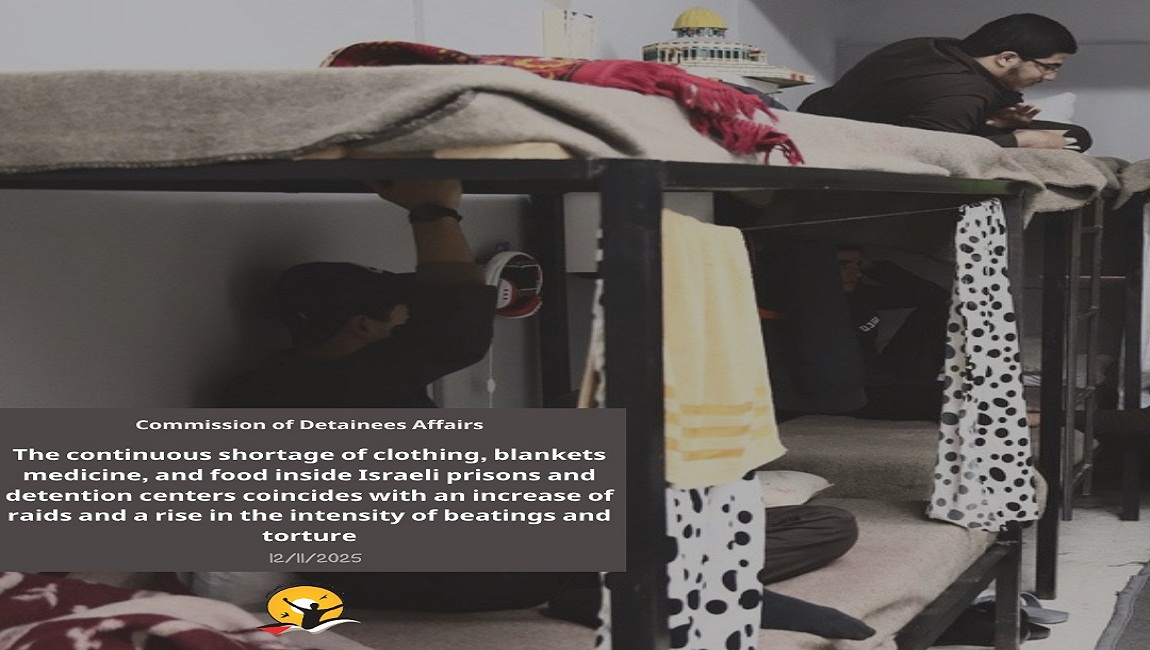
The continuous shortage of clothing, blankets, medicine, and food inside Israeli prisons and detention centers coincides with an increase of raids and a rise in the intensity of beatings and torture.
on . Posted in slider
Commission of Detainees Affairs:
The continuous shortage of clothing, blankets, medicine, and food inside Israeli prisons and detention centers coincides with an increase of raids and a rise in the intensity of beatings and torture.
Continuous punitive measures and harassment at “Gilad” camp in Ofer Prison
on . Posted in slider
Continuous punitive measures and harassment at “Gilad” camp in Ofer Prison
November 9, 2025
The Commission of Detainees and Ex-Detainees Affairs reported today, on the harsh conditions faced by Palestinian detainees held in the “Gilad” camp inside Ofer Prison, noting that their suffering worsens daily amid ongoing raids and constant restrictions affecting every aspect of their lives.
According to the Commission’s attorney, the camp accommodates between 100 and 120 detainees, divided among 12 rooms, each holding around 16 detainees.
Detainees endure severe shortages of clothing and hygiene supplies, where shirts and underwear are changed only once a week, while pants are replaced solely when torn, forcing many to wear the same pair for months.
The report pointed out that detainees are compelled to shower with cold water outside their rooms, using dishwashing liquid instead of shampoo. Showers are permitted only during two brief recreation periods in the morning and evening, each lasting no longer than twenty minutes.
In terms of food, detainees said that their daily meals mostly consist of bread and yogurt, with tuna or sausages served only once a week.
The attorney further described the sleeping conditions as extremely difficult, where the metal beds are covered with very thin mattresses, and due to overcrowding, some detainees sleep on the floor. Each detainee receives only one blanket and a towel, which are replaced after several weeks and often in an unclean state.
Detainees also noted that the camp’s weather is bitterly cold, as open iron windows allow wind and rain to enter. Meanwhile, daily raids and punishments continue for trivial or no reasons at all, such as standing near a window or performing group prayers.
According to the report, prison authorities punish detainees with solitary confinement, beatings, and even electric shocks, as was the case with Mohammad Al-Qadi from Al-Jalazon Refugee Camp and Ali Abu Atiya from Beitunia/ Ramallah.
In another incident, Sheikh Jamal Al-Tawil was sprayed with gas for refusing to address an officer with the Hebrew word “Toda” (meaning “thank you”).
Additionally, detainees are forced to kneel during the four daily counts and are prohibited from sleeping after 6 a.m. or staying awake late into the night. They are also shackled by the hands and feet and blindfolded during family visits, forced to walk with their heads bowed toward the ground.
Abu al-Hummos urges the world to halt the approval of the execution law for detainees in Israeli prisons
on . Posted in slider
Abu al-Hummos urges the world to halt the approval of the execution law for detainees in Israeli prisons
November 3, 2025
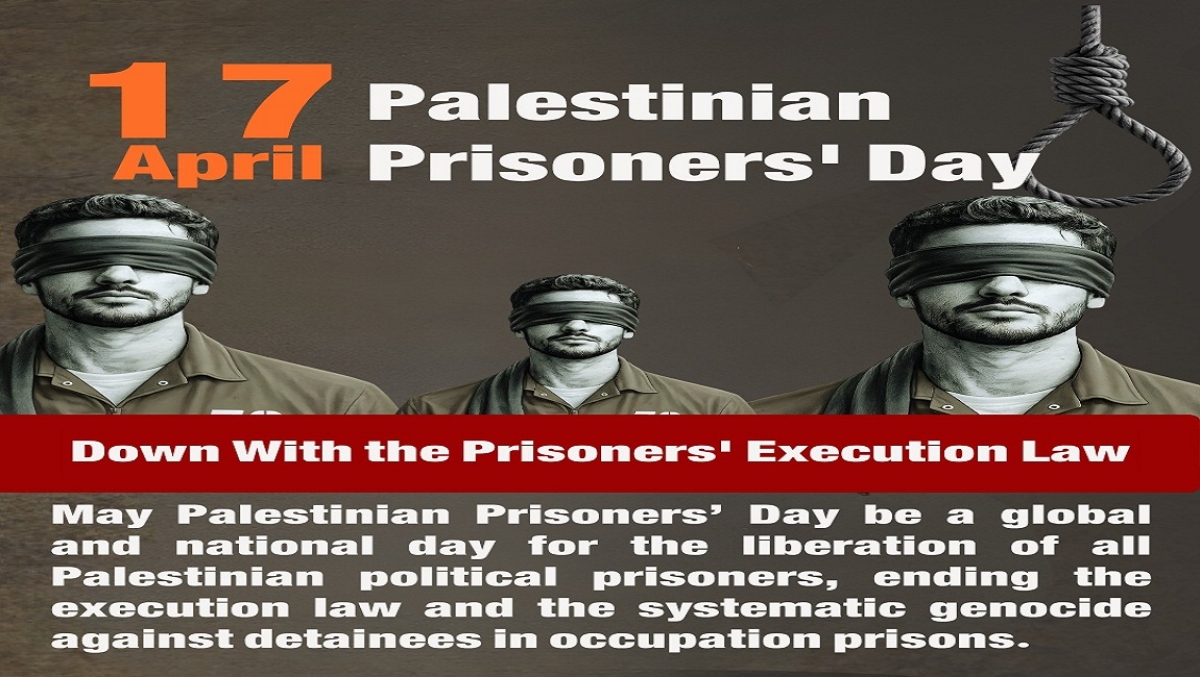
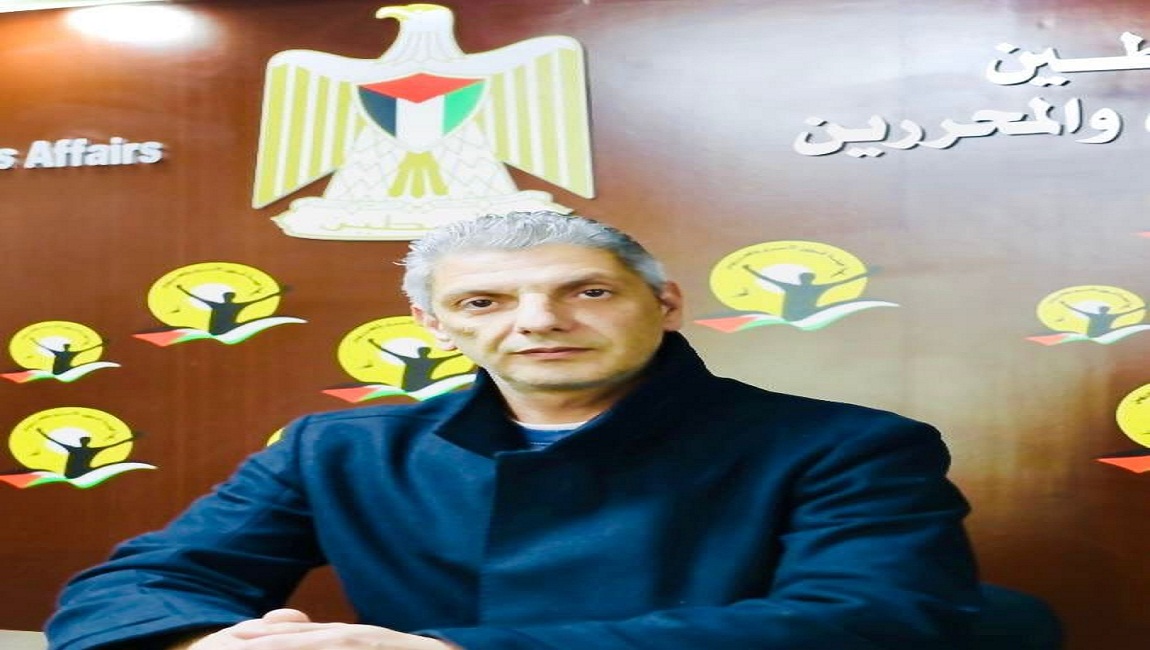
The Head of the Commission of Detainees and Ex-Detainees Affairs, Raed Abu al-Hummos, called on the international community on Monday morning to take immediate action and pressure the Israeli occupation government to halt the procedures aimed at approving a law that would authorize the execution of Palestinian detainees held in Israeli prisons and detention centers.
Abu al-Hummos stated that the so-called National Security Committee of the Israeli Knesset approved earlier today a bill permitting the execution of individuals accused by Israel of carrying out operations that resulted in the deaths of Israelis. He added that a comprehensive draft has already been prepared for a first reading vote, which is expected to take place within the coming days.
He further explained that the occupation authorities claim the law would apply to those allegedly involved in the events of October 7, 2023, noting that Israel is attempting to fabricate justifications to sway global opinion and legitimize this law as if it were a natural right of Israel.
Abu al-Hummos voiced grave concern over the lives of all Palestinian detainees, warning that the enactment of this law would threaten to end the lives of countless freedom fighters detained in Israeli facilities. He stressed that it would also create a dangerous space for Israeli extremism and racism to carry out executions driven by vengeance and political motives.
He called to the United Nations, as well as to all human rights, humanitarian, regional, and international organizations, and to every free and honorable voice around the world, to rise against this dangerous development and act to stop Israel from committing further crimes against the Palestinian people.
He confirmed that this law, if passed, would represent a blatant violation of international law and humanitarian conventions.
Abu al-Hummos underscored the urgency of rapid international intervention, warning that once the bill is submitted to the Knesset for approval through its three readings, it would come at an unbearable cost and effectively legitimize executions as state policy.
He also pointed out that such a move aligns with the extremist agendas of Netanyahu, Ben-Gvir, and Smotrich, who have all expressed their support for legalizing this measure.
He further revealed that Israel has already been practicing the execution policy, confirming that 81 detainees known to the Commission were executed over the past two years. He added that there are certainly dozens, if not hundreds, of other detainees who were killed after being detained, whose cases Israel continues to conceal. Abu al-Hummos condemned what he described as Israel’s theft of the skin and organs of martyrs, a crime verified through medical examinations of bodies recently returned in Gaza.