- Details
- Category: News
- Hits: 35
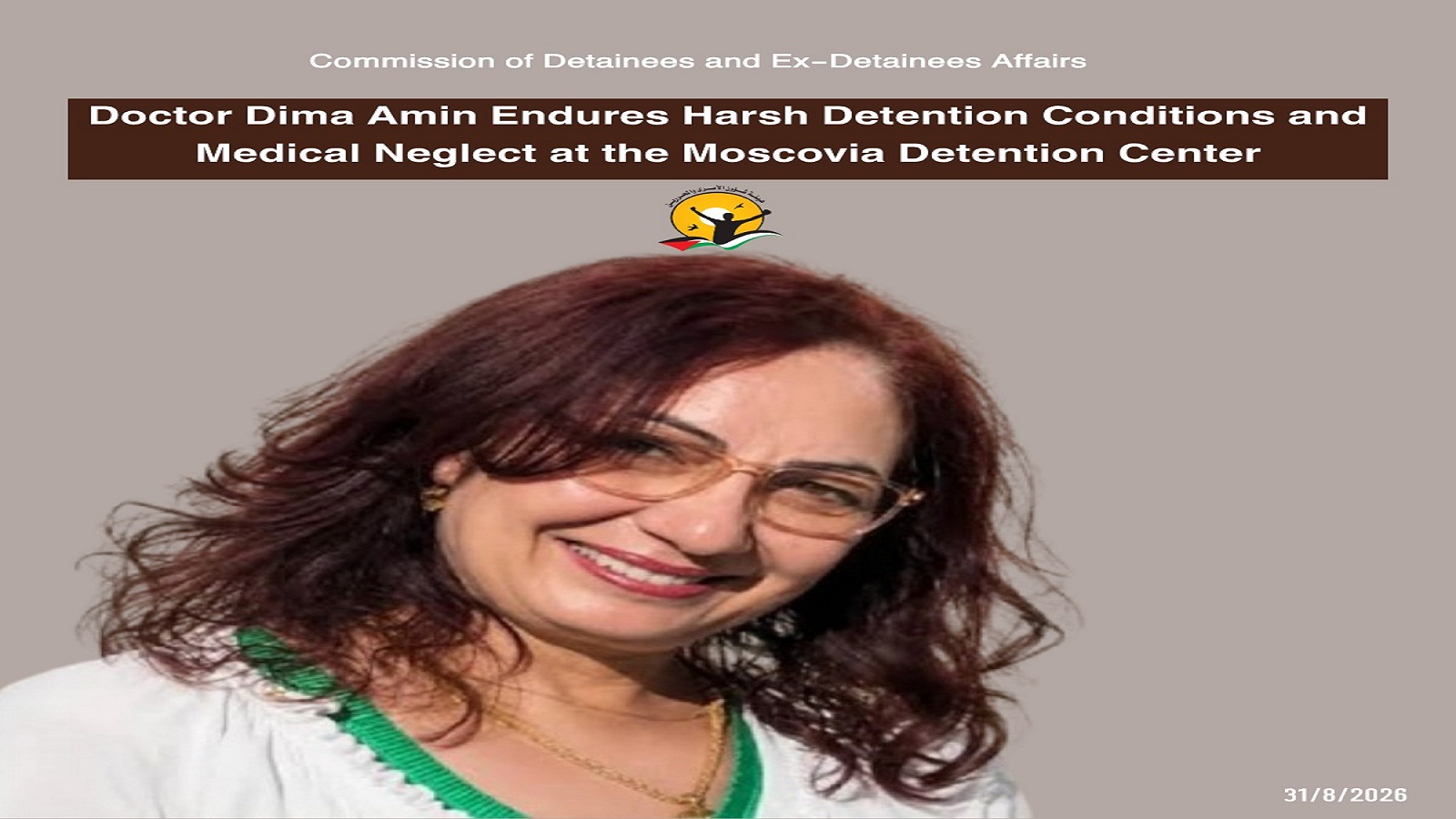
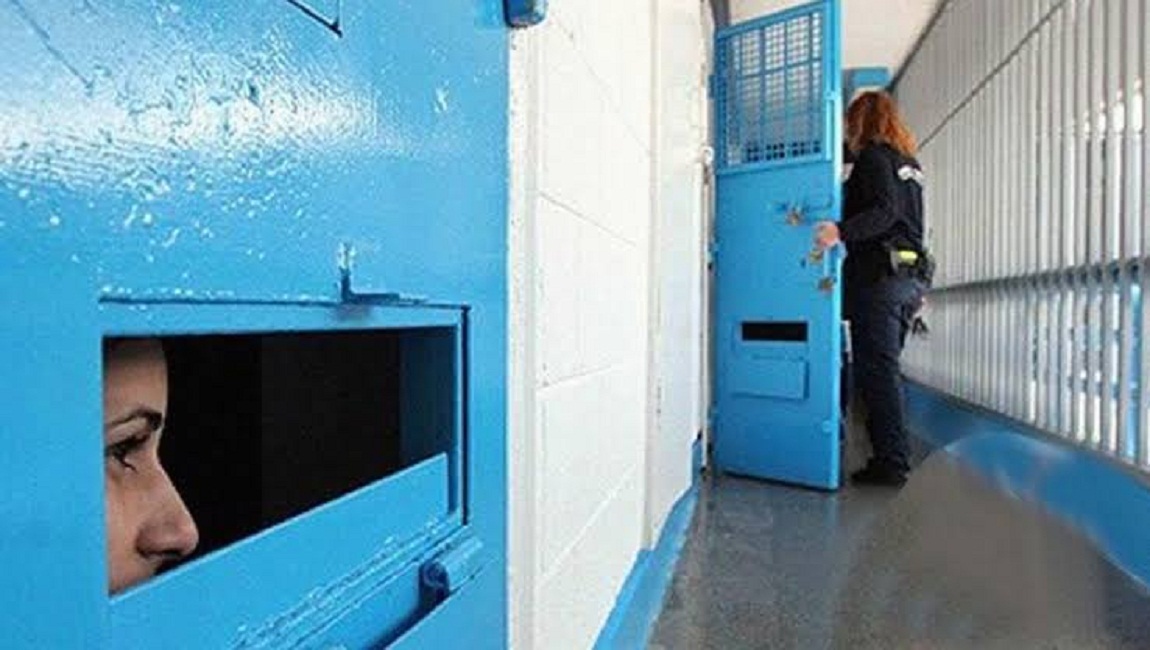
Doctor Dima Amin endures harsh detention conditions and medical neglect at the Moscovia Detention Center
August 31, 2026
The Commission of Detainees Affairs reported today, Monday, that Palestinian detainee and physician Dima Mohammed Amin, 54, is experiencing a deterioration in her health following her arrest on August 18.
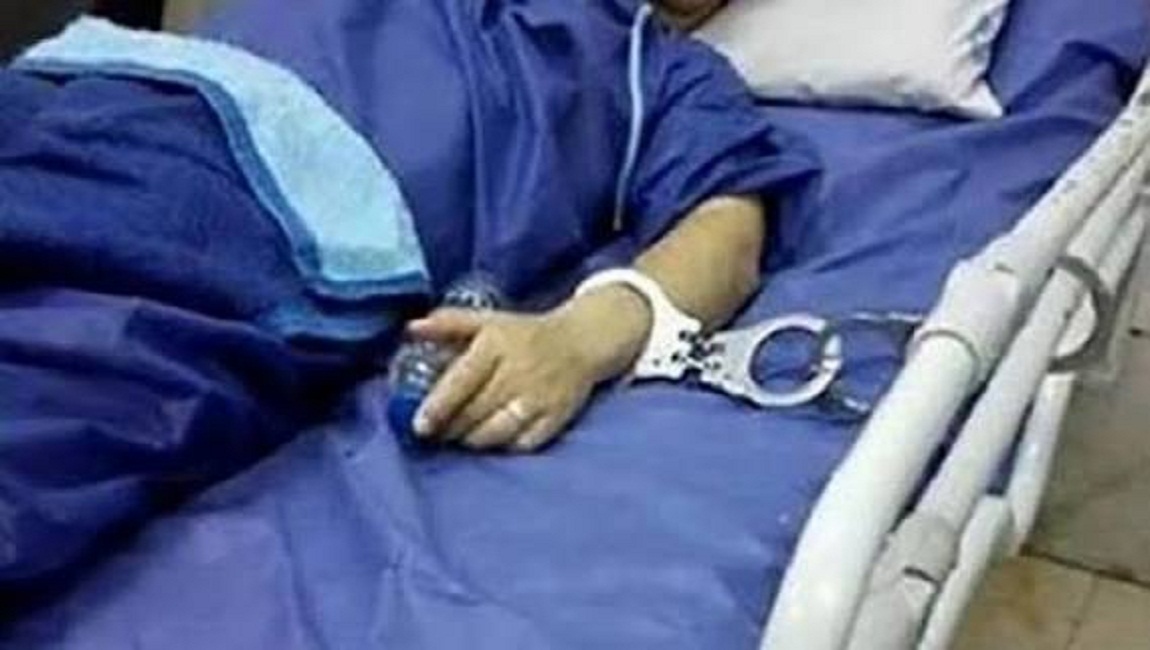
In a report issued following a visit by the Commission’s lawyer to Amin at the Moscovia Interrogation Center, the Commission explained that Amin developed symptoms of a heart attack following her arrest and subsequently underwent a cardiac catheterization procedure. She continues to suffer from low blood sugar levels, blood pressure fluctuations, high cholesterol, and dizziness.
Amin, a gynecologist working in Ramallah, spoke during the visit about the harsh detention conditions she is facing, pointing to the lack of even the minimum necessities of life inside the cell and the severe psychological pressure accompanying these conditions.
She said that being held alone in the cell for prolonged periods, coupled with the detention conditions, causes significant psychological and mental distress. She also pointed to the lack of clothing, explaining that she has only the clothes she was wearing at the time of her arrest, forcing her to wash them and wear them again while still wet.
The detainee added that the cell offers no privacy and lacks adequate space for changing clothes, while the amount of food provided to the detainees remains insufficient.
Amin further noted that prison guards deliberately engage in continuous shouting, banging on cell doors, searches, and repeated insults, further exacerbating the harshness of the detention conditions.
Regarding the period of outdoor exercise, known as the “fawra,” the detainee said: “We are forcibly taken out in order to drag and humiliate us, and are made to stand in a corner for some time without being allowed to move.”
The Commission affirmed that the detainee’s account reflects the harsh conditions she is facing inside the interrogation center, particularly given her health condition, which requires continuous medical monitoring and care amid what the Commission described as deliberate medical neglect.
- Details
- Category: News
- Hits: 37
- Details
- Category: News
- Hits: 37
- Details
- Category: News
- Hits: 62
Detainee Mona endures harsh health and living conditions amid ongoing detention
August 17, 2026
The Commission of Detainees Affairs revealed today, Monday, based on information provided by the Commission’s lawyer, the human rights violations suffered by female detainee Nahla Mona (21) from the city of Nablus, who remains in detention.
According to the Commission, Israeli occupation forces subjected Mona to a series of human rights violations during her arrest. On April 24, 2026, at approximately 3:00 a.m., Israeli forces raided her family home, searched and destroyed its contents, and then arrested Mona and her brother. They blindfolded her, handcuffed her, and transferred her in a military vehicle to Huwara Detention Center, before subsequently taking her to Al-Jalameh Interrogation Center.
Mona said: “I remained at Al-Jalameh for three days, after which I was transferred to Petah Tikva Interrogation Center, where I stayed for approximately one month. During that period, I was subjected to verbal abuse and obscene insults. I was also subjected to a polygraph test and threatened more than once with military interrogation. The interrogation sessions varied, taking place sometimes at night and at other times during the day.”
She continued: “The conditions in the cells are extremely difficult. The space is very cramped, and the walls of the cell are dark gray. There is also a significant presence of insects and rodents, as well as a severe lack of cleanliness. The food is insufficient both in quantity and quality.”
Mona described the psychological pressure she has been subjected to as her interrogation continued and as she was repeatedly transferred from one cell to another. She was subsequently returned to Al-Jalameh Interrogation Center, and eventually transferred to Damon Prison, where, she said, detainees suffer from various forms of abuse, including sudden raids and repression, punishments imposed for the slightest reasons, shortages of clothing, poor and insufficient food, and a lack of basic hygiene supplies.
The detainee further confirmed that approximately 11 female detainees have been isolated from the rooms due to scabies infections. She added that a number of female detainees scratch their skin until it bleeds, while there are also several severe and persistent cases in the section.
- Details
- Category: News
- Hits: 60
Deprived of the most basic rights... Detainee Raghad Al-Fanni suffers harsh detention conditions in Damon Prison
August 17, 2026
Detainee Raghad Al-Fanni, 28, from Tulkarm, has been held in Damon Prison since her arrest on 1 January 2026. Prior to her arrest, Al-Fanni was a student at Al-Quds Open University. This is her second arrest; she was previously detained on October 28, 2022 and sentenced to 13 months in prison. She is currently being held under administrative detention in Damon Prison.
The Commission of Detainees Affairs and Ex-Detainees said in a report issued today, Monday, following a visit by one of its lawyers to a number of female detainees in Damon Prison, that Al-Fanni was arrested after Israeli occupation forces raided her home while she was asleep in the early hours of the morning. The soldiers bound her hands and blindfolded her before taking her to a military camp in Tulkarm, where she remained until noon. She was then transferred to Sharon Prison, where she stayed for several days before being transferred to Damon Prison.
She needs prescription eyeglasses to carry on with her daily life inside the prison. She said that the Damon Prison administration confiscated her eyeglasses on July 13, 2026, claiming that glasses with metal frames are not permitted inside the prison and that only glasses with plastic frames are allowed.
According to the Commission’s lawyer, a request was submitted to the prison administration to allow the eyeglasses to be brought in through one of the lawyers affiliated with the Commission of Detainees Affairs and Ex-Detainees.
Regarding the conditions of the female detainees in Damon Prison, the health conditions inside the prison are extremely difficult due to the widespread outbreak of scabies among the majority of detainees, with some cases being very severe.She reported that Room No. 4 had been designated to isolate detainees suffering from the disease.
Detainees complain of a shortage of cleaning supplies, high humidity inside the rooms, and inadequate ventilation, all of which have contributed to the worsening of the scabies outbreak.
Al-Fanni added that the Damon Prison administration has reduced the duration of the outdoor recreation period, known as “fawra,” allocated to the female detainees.
In her statement to the Commission’s lawyer, Al-Fanni said that she was placed in isolation for three days without being informed of the reason, which remains unknown to her to this day. She also reported that, after being released from isolation, the detainees were subjected to repression while attempting to clean their rooms after requesting cleaning supplies. They were further punished by having their belongings thrown onto the water-covered floor.
- Details
- Category: News
- Hits: 86
Harsh conditions endured by female prisoners at Damon Prison
August 5, 2026
Detainee Hanaa Mohammad Muhyeealdeen Tahayna (48), from the city of Jenin, is currently held at Damon Prison. She was arrested on June 8, 2026, and placed under administrative detention. She is the mother of six children.
In a report issued on Wednesday, the Commission of Detainees' Affairs stated that Tahaynah is experiencing imprisonment for the first time. However, she had long been familiar with its hardship as the wife of former prisoner Sharif Tahaynah, who previously spent ten years in Israeli prisons.
According to her testimony to the Commission's lawyer, Israeli occupation forces raided her home at approximately 3:00 a.m., searched the house, and arrested her without allowing her to bid farewell to her children. Soldiers handcuffed her with plastic restraints, blindfolded her, and forced her to walk a long distance despite the fact that military vehicles could have reached the vicinity of her home.
Tahayneh further stated that she was kept for hours in a small room resembling a storage closet while handcuffed and blindfolded, and was denied access to the bathroom. During her transfer to Sharon Prison, she felt that one of the soldiers was filming her. When she attempted to slightly lift her blindfold, she was subjected to shouting and verbal abuse. Upon arrival at the prison, she was strip-searched, beaten, humiliated, dragged, and her head was violently forced to the ground. After this painful ordeal, she was transferred to Damon Prison, where she remains detained.
The detainee also suffers from several chronic medical conditions, including migraines, rheumatism, irritable bowel syndrome (IBS), and varicose veins accompanied by persistent pain. Despite her condition, the Israeli Prison Service refused to provide her with even a single painkiller.
The conditions endured by female prisoners in Damon Prison remain extremely harsh. The prison lacks the most basic necessities of humane living, including adequate food, clothing, and essential feminine hygiene supplies. In addition, the women are subjected to repeated punitive raids and searches of their cells without justification, forced into the prison yard during the peak of the scorching summer heat, and insulted with degrading and offensive language.
- Details
- Category: News
- Hits: 80
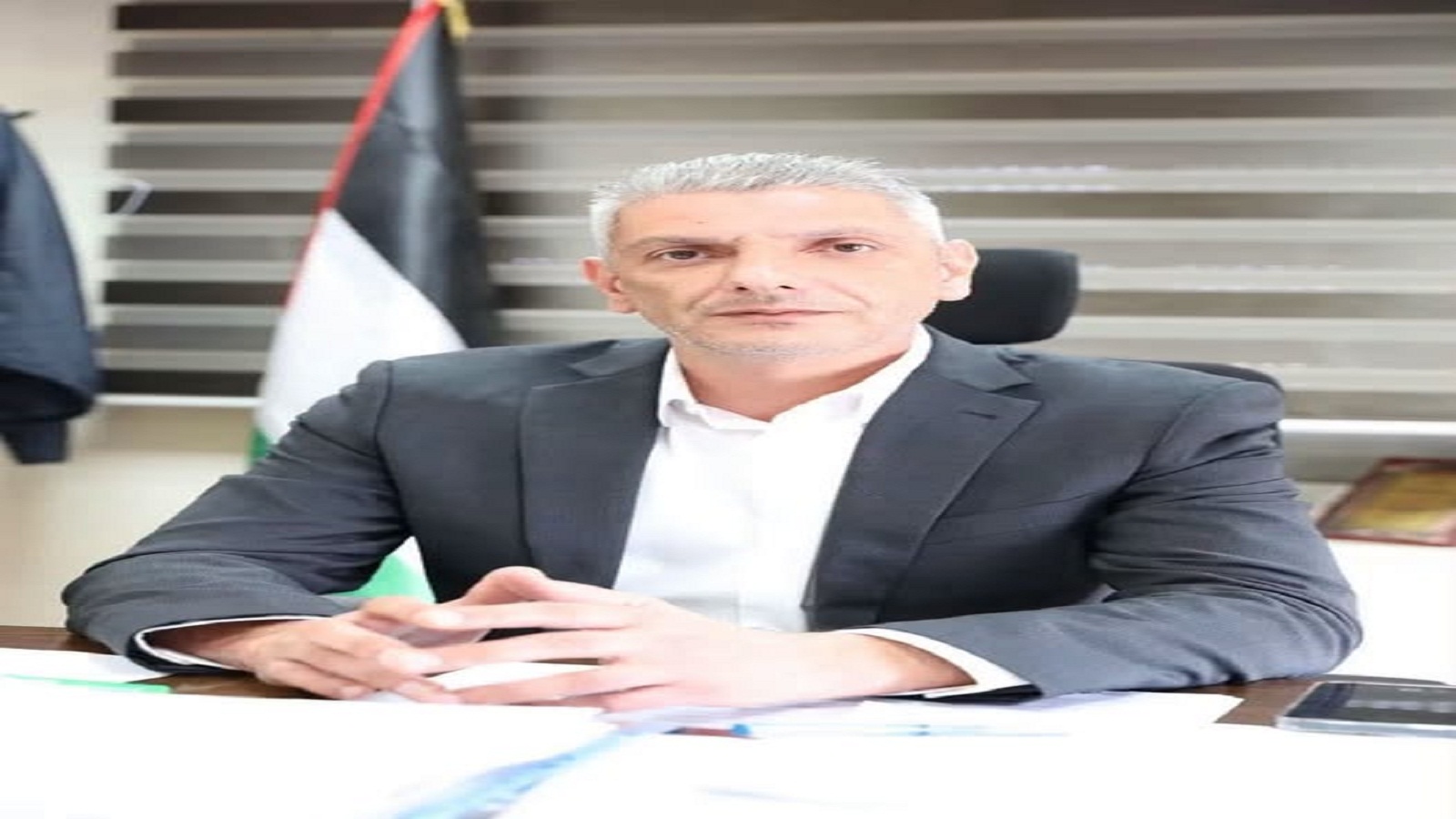
Abu Al-Hummos: “Has the world become incapable of holding Ben-Gvir and the occupation state accountable ?!"
August 5, 2026
The Head of the Commission of Detainees' Affairs, Minister Raed Abu Al-Hummos, condemned on Wednesday evening what he described as the international community's blatant abandonment, silence, and cowardice in the face of the actions of extremist Itamar Ben-Gvir and the Israeli occupation authorities, whose forces, he said, have adopted a systematic policy of retaliation against Palestinian prisoners and female detainees held in Israeli prisons.
Abu Al-Hummos stated that this shameful silence has become an integral part of the crimes being committed inside Israeli prisons and detention centers. He added that it is inconceivable for the world to abandon its humanity and moral responsibility in order to appease Israel and its colonial project, which, he said, poses a threat to both the region and global stability.
He further noted that Ben-Gvir's extremism, hatred, and racism led him on Wednesday to visit Negev Prison to inspect the area where he reportedly intends to place crocodiles in order to prevent Palestinian prisoners from escaping. He was accompanied by the far-right Israeli politician Idit Silman.
Abu Al-Hummos called on the silent international community, along with its institutions and organizations, to take a stand, if only for once, and to free itself from what he described as blind subservience to capitalism and the influence of the Zionist lobby. He urged the international community to demonstrate courage and act immediately to hold the occupying power and those responsible for alleged crimes accountable.
It is worth noting that the Israeli authorities have been promoting the idea of surrounding Negev Prison with crocodiles. According to Abu Al-Hummos, an Israeli animal rights organization objected to the proposal, claiming concern for the crocodiles' welfare. He argued that this entire episode has failed to prompt international institutions, organizations, and human rights bodies to condemn Israel or take action against its policies.
- Details
- Category: News
- Hits: 61
Abu Al-Hummos: "I Call on the International Committee of the Red Cross to take a bold stand against Ben-Gvir’s arrogance"
August 7, 2026
The Head of the Commission of Detainees and Ex-Detainees Affairs, Raed Abu Al-Hummos, called on Friday evening upon the International Committee of the Red Cross (ICRC) to issue a clear and courageous response to the arrogance and hatred displayed by the Israeli extremist Minister Itamar Ben-Gvir, who has once again signed an order banning family visits to Palestinian detainees and prisoners held in Israeli prisons and detention centers.
Abu Al-Hummos stated: "Ben-Gvir has once again appeared with his childish recklessness in a new episode of moral degradation and disgrace, issuing renewed orders to further isolate male and female prisoners from the outside world, prevent family visits, and continue denying human rights and humanitarian organizations access to them. This is an open act of defiance that disregards the international community and its institutions, including the United Nations."
He added: "Given Ben-Gvir’s blatant audacity, I believe the International Committee of the Red Cross, along with all human rights and humanitarian organizations, is now obliged to speak out loudly, condemn these practices, expose the occupation authorities for refusing to cooperate with international organizations, obstructing their work, and denying their role. They must also issue a clear report using language that reflects the gravity of this contempt for the international community."
Abu Al-Hummos further called on the ICRC and all international and UN institutions to assert their rights in the face of the occupation authorities and to carry out their humanitarian and moral responsibilities without requiring Israel’s approval. He stressed the need for genuine action to challenge and break the policy of imposed fait accompli that the occupation authorities have enforced over the past three years at an unprecedented pace, in blatant violation of international law and universally recognized legal norms.
It is worth noting that since October 7, 2023, the lives of Palestinian prisoners have turned into a living hell. They have been stripped of all their rights and personal belongings and are now confined to bare prison cells while being subjected to systematic torture and abuse. These politically motivated practices have turned them into genuine victims of organized state terrorism.
- Details
- Category: News
- Hits: 64
- Details
- Category: News
- Hits: 65
- Details
- Category: News
- Hits: 71
- Details
- Category: News
- Hits: 86
Commission of Detainees’ Affairs: Ongoing violations against female detainees at Damon Prison
August 2, 2026
The Commission of Detainees’ and Ex-Detainees’ Affairs stated on Sunday, citing its lawyer following a visit to Damon Prison, that female detainees are subjected to ongoing violations by the prison administration.
According to the Commission’s lawyer, detainee Amna Suweilem (55), from the city of Nablus, who has been detained since 3 November 2025, reported that the detention conditions in Damon Prison are extremely harsh and difficult.
Suweilem suffers from shoulder pain caused by a torn tendon. She also suffers from thyroid disorders and a hernia in the abdominal muscles.
Meanwhile, detainee Layla Khalil (22), from the town of Beitunia, Ramallah, who was arrested on June 2, 2026, is being held in the isolation section known as “fattening section." She stated that prison conditions are extremely poor, saying:
"The prison conditions are extremely bad. The food is poor both in quality and quantity. We are allowed only one recreation period per day, lasting one hour, and many of the female detainees are unable to shower because the time is too limited."
- Details
- Category: News
- Hits: 65
Commission of Detainees' Affairs: Harsh detention conditions devastate juvenile detainees in Megiddo prison
August 2, 2026
The Commission of Detainees' Affairs and Ex-Detainees Affairs stated in a report issued today, Sunday, that juvenile Palestinian detainees held in Megiddo Prison are enduring extremely harsh detention conditions that have robbed them their childhood.
The Commission's advocate reported that detainee Mohammad Arafat Sidqi Sawafta, a 20-year-old from Tubas Governorate who has been detained since 17 June 2025, is battling serious health conditions. He suffers from arthritis, in addition to a stomach virus and another viral infection affecting his eyes. Although he received treatment for the eye infection, his health remains so poor that he is forced to walk with the aid of a walker, reflecting the severity of the medical suffering he continues to endure in detention.
The report further noted that all detainees have experienced significant weight loss as a result of severe malnutrition. The food portions provided are extremely inadequate and fail to meet even their most basic nutritional needs for survival.
Describing the detention conditions, the Commission's advocate stated: "detainees are transferred while handcuffed despite repeated objections to this practice. As a result, signing documents becomes extremely difficult, and they are often unable even to hold the telephone used to communicate during legal visits, turning these meetings into exhausting experiences that fall far short of the minimum standards required for confidential and effective legal consultations."
Detainees in Megiddo also suffer from a severe shortage of cleaning supplies. Shower water is available for only one hour per day, and even then, not on a regular basis. The same applies to the daily outdoor exercise period ("yard time"), which is limited to no more than one hour and is not consistently granted. Drinking water is obtained directly from the taps, while each detainee possesses only a single set of clothing.
The days pass painfully slowly for the detainees, made even harsher not only by the deprivation of their liberty but also by the physical, humanitarian, and psychological suffering they endure. They continue to face hunger, humiliation, and deprivation of the most basic necessities required for a dignified human life.
- Details
- Category: News
- Hits: 82
- Details
- Category: News
- Hits: 92
- Details
- Category: News
- Hits: 117
- Details
- Category: News
- Hits: 75
“Knesset’s” Approval of Law to Create Special Court for Gaza Detainees, Including Imposition of Death Penalty - Statement by Palestinian Prisoner Institutions
May 12, 2026
The Israeli “Knesset’s” approval of a special law establishing an exceptional court for Gaza detainees whom the occupation authorities claim participated in the events of October 7, 2023 — including the imposition of the death penalty against them — constitutes a new and dangerous link in the chain of colonial legislation that entrenches the ongoing crime of genocide against the Palestinian people, including political prisoners, Palestinian prisoner institutions stated on Tuesday.
Full statement in English below
“Knesset’s” Approval of Law to Create Special Court for Gaza Detainees, Including Imposition of Death Penalty - Statement by Palestinian Prisoner Institutions
May 12, 2026
The Israeli “Knesset’s” approval of a special law establishing an exceptional court for Gaza detainees whom the occupation authorities claim participated in the events of October 7, 2023 — including the imposition of the death penalty against them — constitutes a new and dangerous link in the chain of colonial legislation that entrenches the ongoing crime of genocide against the Palestinian people, including political prisoners, Palestinian prisoner institutions stated on Tuesday.
This law represents a flagrant violation of the rules of international humanitarian law, international human rights law, and a range of fundamental inalienable rights, foremost among them the right to life, the right to a fair trial, and due process guarantees, in addition to the absolute prohibition of torture and other forms of cruel, inhuman, or degrading treatment or punishment.
The institutions added that the provisions contained in this law cannot be separated from the racist legislative path through which the “Knesset” had previously approved in what is known as the law permitting the execution of Palestinian prisoners. Rather, it constitutes a continuation of a systematic legislative approach aimed at providing internal legal cover for the international crimes committed against the Palestinian people. This trend further entrenches the role of the “Knesset” as one of the central instruments within the Israeli colonial-terror system, which has directly contributed to the perpetuation of genocide, the continuation of comprehensive aggression, and the targeting of Palestinian existence and national and human rights.
The institutions stressed that this law comes at a time when horrific testimonies and accounts from Palestinian political prisoners and detainees continue to emerge, documenting systematic torture, starvation crimes, medical crimes, harsh isolation, sexual assaults, and policies of slow killing carried out in an organized manner inside Israeli occupation prisons and camps. The testimonies of Gaza detainees in particular constitute direct and living evidence of the ongoing crimes committed against Palestinian prisoners and detainees over more than two and a half years, within the framework of a systematic policy amounting to war crimes and crimes against humanity, and representing another face of the genocide taking place inside prisons. In this regard, it should be noted that many detainees from Gaza confirmed that they “confessed” to acts they did not commit under torture.
The institutions further affirmed that the Israeli occupation system’s insistence on inventing legislative tools that legitimize the death penalty within exceptional procedures lacking even the minimum standards of justice could not have continued without the state of international paralysis and the existing political and legal complicity regarding ongoing Israeli crimes, including the crime of genocide.
In light of this dangerous development, Palestinian human rights organizations emphasize that they had previously addressed dozens of appeals and communications to the relevant international bodies, warning of the danger of these laws and their legal and humanitarian consequences. Nevertheless, the occupation authorities continue to enact and approve more racist laws that undermine the international justice system and blatantly disregard all obligations imposed on the occupying power under international law.
Despite this, we reaffirm our continued calls upon free nations and international parliamentary and human rights bodies to adopt a clear and firm position toward the so-called Israeli “Knesset,” and to work immediately toward suspending or terminating its membership in international parliaments and unions, and boycotting it as a legislative institution that legitimizes genocide, incitement to violence, and systematic racial discrimination against the Palestinian people.
We also reaffirm our continued appeals to the free people of the world, based on the Palestinian people’s established and inalienable right to self-determination, national liberation, and the freedom of prisoners and detainees. We warn that the continued impunity and treatment of “Israel” as an entity above the law and accountability will not affect the Palestinian people alone, but will undermine the entire international justice system and threaten the human values for which peoples around the world have long struggled to establish and protect.
In this context, Palestinian prisoner institutions renew their demands for the following:
• Activating the principle of universal jurisdiction to prosecute Israeli officials involved in torture, war crimes, and crimes against humanity committed against Palestinian prisoners and detainees.
• Treating the “Knesset” and Israeli occupation courts as institutions that legitimize apartheid and persecution policies, and working to isolate them internationally, including by ending their membership in international parliamentary bodies and unions.
• Ensuring the immediate and unconditional release of all Palestinian political prisoners.
• Ending the policy of arbitrary administrative detention as a grave violation of fair trial principles and personal liberty.
• Dismantling the Israeli occupation’s military court system, which is used as a tool of oppression and colonial control.
• Opening independent and transparent international investigations into all acts of torture and killings inside Israeli occupation prisons and detention centers.
• Ensuring full cooperation with the International Criminal Court, supporting its investigations, and implementing arrest warrants issued against those responsible for international crimes.
• Enabling the International Committee of the Red Cross to visit Palestinian prisoners and detainees and review their detention conditions without any restrictions or obstacles.
**ENDS**
- Details
- Category: News
- Hits: 116
Central Events Program for Palestinian Prisoners’ Day 2026
?Thursday, April 16, 2026
12:00 noon (nationwide):
* Ramallah: Al-Manara Square.
* Hebron: Ibn Rushd Roundabout.
* Jenin: The Red Cross.
* Qalqilya: Qalqilya Municipality.
* Bethlehem: Nativity Square.
* Tubas: Chamber of Commerce Hall.
* Salfit: Governorate Hall.
* Nablus: Balata Youth Center.
11:00 AM:
* Jericho: Al Madina Roundabout
?Sunday, April 19, 2026
12:00 noon:
• Nablus: Martyrs’ Square.
#EndThePrisonersExecutionLaw
- Details
- Category: News
- Hits: 116
Invitation to Journalists and Media Outlets in Palestine
Palestinian Prisoners' Institutions and National and Islamic Forces invite you to cover a press conference in Ramallah and Al-Bireh to announce the national events planned around this year's Palestinian Prisoners' Day, held annually on April 17.
Details:
* Day: Tuesday, April 14, 2026
* Time: 11:00 AM
* Location: In front of the International Committee of the Red Cross HQ, Al-Bireh
⭕ Stop the Palestinian Prisoners’ Execution Law
- Details
- Category: News
- Hits: 180
April 2026 Update on Numbers of Palestinian Political Detainees in Israeli Occupation’s Prisons
▪️These figures are based on data gathered by Palestinian prisoners’ institutions including from the Israeli occupation’s prison services databases as of early April 2026.
* There are more than 9,600 Palestinian political prisoners held by the occupying state.
* Among them are 84 female prisoners.
* Some 350 children are among them, held in Megiddo and Ofer prisons.
* The number of Palestinians abducted from the occupied West Bank and are held without trial or charge, also known as “administrative detainees” is 3,532, representing the highest proportion in the prisons compared to sentenced prisoners, those awaiting trial, and those classified as “unlawful combatants.”
* The number of Palestinians abducted from occupied Gaza and are held without trial or charge under the “unlawful combatants” law is 1,251. This figure does not include all detainees from Gaza held in military camps affiliated with the occupation army. This classification also includes Arab detainees from Lebanon and Syria.
Palestinian Prisoners’ institutions
- Details
- Category: News
- Hits: 66
On Palestinian Child’s Day, marked annually on April 5, Palestinian prisoners’ institutions- Commission of Detainees’ Affairs, Palestinian Prisoner’s Society and the Addameer Prisoner Support and Human Rights Association- publish a special report about Palestinian child detainees in the Israeli occupation’s prisons.
Report in Arabic and English Below
#FreeThemAll
#StopTheExecutionLaw
Palestinian Child’s Day Highlights Escalating, Systematic Targeting of
Palestinian Children
Report by the Commission of Detainees’ Affairs, Addameer Prisoner Support and Human
Rights Association, and the Palestinian Prisoner’s Society
April 5, 2026
Ramallah, occupied Palestine - Palestinian childhood has never been outside the scope of Israeli occupation policies; it has been at their core. The detention of children is not exceptional or incidental, but a longstanding, systematic policy—deeply embedded over decades—reflecting a clear intent to subjugate and control an entire generation through organized repression and domination. As of April 2026, there are 350 Palestinian children detained in the occupation’s prisons.
Tens of thousands of Palestinian children have experienced detention—staggering figures that expose the scale and continuity of this practice. Their testimonies point to a comprehensive system of violations, carried out under legal cover and enforced with excessive violence, in disregard of age and of international child rights conventions.
Since the outbreak of the genocide in Gaza in October 2023, occupation authorities have intensified widespread arrest campaigns across the occupied Palestinian territories. These campaigns continue to escalate, targeting all segments of Palestinian society—across cities, villages, and refugee camps—in the West Bank, including Jerusalem, as well as in the Gaza Strip. They unfold within a broader pattern of daily, terrorizing military raids and incursions into homes, streets, and military checkpoints, without distinction by age or social group, reflecting a comprehensive policy of control and sustained repression.
Within this context, the targeting of children stands out as one of the clearest manifestations. Palestinian childhood has entered a more acute phase of direct targeting, where detention remains a systematic, deliberate tool of pressure and control—not an exception, but an enduring policy.
Field data issued by Palestinian prisoners’ organizations and human rights institutions have revealed an unprecedented escalation in the arrest of children. More than 1700 cases of child detention have been documented in the West Bank, including Jerusalem, over a short period of time—an indication of the expanding scope and accelerating pace of this targeting.
In addition, dozens of children from the occupied Gaza Strip have been detained during the genocide, under extremely dangerous conditions that included grave violations and organized crimes, such as enforced disappearance, denial of family and lawyers’ visits, and the complete cut
off of any means of communication with the outside world—making it extremely difficult to determine the actual numbers or the fate of many of them.
These practices constitute a clear and direct violation of the Convention on the Rights of the Child, which prohibits the arbitrary detention of children and requires that detention be used only as a measure of last resort and for the shortest possible period, while ensuring humane treatment and respect for dignity. They also clearly violate Article 37, which prohibits torture and cruel or inhuman treatment, and guarantees the child’s right to maintain contact with their family and to access legal assistance. Moreover, these practices breach the principles of international humanitarian law, particularly the Geneva Conventions, which mandate special protection for children as civilians and prohibit any form of abuse or neglect against them.
The First Moments of Arrest
The first moment of arrest often begins with a violent and sudden attack, usually in the early pre- dawn hours, when occupation forces break into homes without any prior warning. Families wake to the sounds of explosions and doors blown open, accompanied by heavily-armed, often masked, soldiers, shouting and raiding every corner of the house, creating an atmosphere of fear and chaos—especially for children facing such a harsh experience. Children are forced awake from their sleep amid direct threats and a heavy military presence.
During the raid, the child and their family are informed of the arrest decision. In many cases, children—particularly those who are ill or injured—are denied access to their medication or necessary medical care, further exacerbating their health conditions.
Following this, children are taken out of their homes into military vehicles, where they are handcuffed and subjected to strict restraints on their movement. During transport—often involving passage through multiple checkpoints and military facilities—some are subjected to beatings or harsh treatment, in addition to being held for long hours without food or water.
In many cases, children are transferred while blindfolded, deepening their sense of fear and confusion and leaving severe psychological effects from the very first moments of detention. Cases of enforced disappearance of children from the occupied Gaza Strip have also been documented, amid a lack of any information regarding their whereabouts or conditions of detention.
Interrogation Rooms Under Genocide: A Systematic Policy of Retaliation Against Childhood
The interrogation phase is one of the harshest stages in the experience of child detention within occupation prisons, as it is conducted in an environment designed to break their will and extract confessions from them as part of a systematic and consistent policy. Children are held in conditions that lack even the most basic necessities of life and are subjected to prolonged hours of continuous interrogation without the presence of their parents or a lawyer. Testimonies indicate that this stage is often exploited to psychologically intimidate the child and pressure them into confessing under the weight of isolation and fear.
The severity of these violations has escalated dangerously in the context of the genocide, as children have been subjected to even more tragic conditions inside closed and harsh interrogation rooms, where deprivation of sleep and rest is intensified.
These practices reinforce a reality that completely disregards the specific needs of the child and their right to humane treatment, turning interrogation into a repressive tool that extends beyond pre-genocide practices, but under far more brutal and unrestrained conditions.
Thus, the interrogation period—supposed to be a legal procedure—turns into a space of systematic violations aimed at undermining the rights of the child. This policy, which has intensified under the genocide, leaves deep and lasting impacts on children’s lives and futures as a result of continuous pressure and a detention environment that lacks the most basic human rights.
Palestinian Children in Occupation Prisons Face Systematic Violations
Inside Israeli central prisons and military camps, Palestinian children face harsh detention conditions that constitute a systematic violation of their fundamental rights. These conditions include severe overcrowding in poorly ventilated rooms, shortages of clothing and blankets, as well as near-total restrictions on their movement and the confiscation of their personal belongings.
For over two and a half years, children have been completely denied contact with their families, further deepening their isolation and intensifying the psychological impact of detention, amid ongoing raids and repression within the prison sections.
Violations linked to denial of medical care are also escalating amid a severe lack of health services and the denial of appropriate treatment for children. Overcrowding and the lack of hygiene supplies have led to the spread of skin diseases, most notably scabies, while medical responses are often limited to providing inadequate painkillers or delaying treatment, along with the refusal to transfer serious cases to hospitals.
Children also suffer from food deprivation as part of a policy of starvation, which has negatively affected their health and led to the worsening or emergence of new illnesses, within detention conditions that threaten both their physical and psychological well-being.
Detention Without Charge: Enforced Disappearance of Children Behind the Cells of Administrative Detention
Administrative detention of Palestinian children is considered one of the most egregious manifestations of the repressive system, whereby a child – like adults - is held without charge or trial, based on what is referred to as a “secret file.” This policy, long adopted by the occupation as a tool of collective punishment, repression, and control, has undergone a profound shift and historic escalation in the context of the genocide, as prison doors have been opened to thousands of Palestinians under this designation—children among them bearing a significant share of this systematic abuse.
Within this expansion, the number of children held under administrative detention has reached unprecedented levels. Palestinian human rights organizations have never previously recorded such figures, with approximately 180 children currently held under administrative detention—reflecting a clear intent to disappear an entire generation behind bars without any legal justification or defined timeline for release.
A child held under administrative detention lives in a state of continuous psychological torment, facing uncertainty every minute of every day. Detention orders are often renewed at the very last moment before the expected release, depriving both the child and their family of any sense of stability or hope. In the context of the genocide, the number of administrative detainees has surged dramatically, accompanied by total isolation and denial of visits or communication with the outside world—leaving children especially vulnerable to policies of starvation, abuse, and intimidation within the cells.
The targeting of children through administrative detention at this scale confirms that the occupation is in clear violation of all international conventions prohibiting the detention of minors without trial. With the total number of administrative detainees in prisons reaching 3442 it becomes evident that this policy has become a central pillar within the genocide—aimed at dismantling the Palestinian social fabric and targeting childhood itself.
Walid Ahmad: The Palestinian Child Who Starved to Death
Walid Khaled Ahmad, from the town of Silwad near Ramallah in the central occupied West Bank, was a detained Palestinian child who starved to death in Megiddo Prison in March 2025.
His case constitutes a stark example of inhumane and dangerous policies of starvation, deprivation, and ill-treatment against minor detainees, within a broader context of violations affecting prisoners. According to documented medical autopsy reports, the findings revealed severe physical deterioration, including extreme emaciation, and the absence of muscle mass and subcutaneous fat, along with indicators of malnutrition, dehydration, intestinal infections, and infection with scabies—reflecting a gradual health collapse inside detention.
The occupation recently announced the closure of the investigation into the circumstances of his murder under the pretext of “exhausting all legal procedures,” despite the serious findings outlined in the medical reports of starvation and health deterioration. This reflects a continued pattern of disregarding medical evidence and obscuring accountability for crimes committed against child detainees within prisons, in the complete absence of oversight and accountability for such violations.
Testimonies of Children from Inside Occupation Prisons
Child (Q.N.), who was arrested from his home on January 7, 2026, recounts that he was severely beaten before being handcuffed, blindfolded, and transferred to a military camp, then to Megiddo Prison. He reports repeated assaults both during transport and inside the prison.
He confirms that the minors’ section in prison is subjected to frequent raids and beatings, amid severe cold, overcrowding, and a shortage of clothing and insufficient food. They also face restrictions on outdoor time (“fora”) and access to showers, along with a lack of basic supplies and constant disturbing lighting. He further points to the absence of adequate care and the existence of designated rooms for scabies patients under harsh detention conditions.
In the same context, child (M.S.), who was arrested from his home in Bethlehem on February 19, 2025, at the age of just 15, was later placed under arbitrary administrative detention without trial or charge. He recounts that his arrest began at dawn with a home raid, after which he was transferred to Etzion detention center, then to Al-Moskobiya detention center in occupied Jerusalem, where he underwent a 21-day period of detention and interrogation before being transferred to Megiddo Prison.
Since then, he has been held in an overcrowded minors’ section (Section 8), with six to 10 prisoners per room, forcing some to sleep on the floor. There is a clear shortage of blankets, towels, and basic necessities, in addition to a very short daily outdoor period that does not exceed half an hour, with limited facilities including a small number of bathrooms shared among several rooms.
He also suffers from dental pain without receiving treatment, pain relief, or referral to a clinic, amid repeated raids and acts of repression within the section—making the conditions of detention in Megiddo harsh and ongoing, particularly as he is a child held under administrative detention.
Similarly, the detained child (A.K.), aged 17, describes a harsh detention trajectory from the moment of arrest, extending from checkpoints to detention centers and then to closed facilities.
He states: “I was completely stripped of my clothes, handcuffed, blindfolded, and thrown onto the ground,” adding, “I remained sitting on my knees for hours and was subjected to continuous severe beatings.”
He describes this phase as filled with humiliation and both physical and psychological violence, with repeated transfers between unknown detention locations and extremely harsh conditions from the very first hours.
Later, he recounts the brutal detention system inside the prisons, describing his first days: “I was handcuffed to the front and blindfolded 24 hours a day, even while eating and showering,” along with “very poor food in extremely small quantities” and repeated deprivation of hygiene and rest. He also describes weekly repressive raids involving “firing bombs inside the rooms, random beatings, and forcing prisoners to lie on the ground,” in addition to harsh interrogations that included “beatings, threats, electric shocks, and loud music as psychological torture,” within an environment he describes as based on continuous humiliation and systematic violence throughout detention.
Children from the occupied Gaza Strip have not been spared from widespread arrest campaigns during the genocide. Several were detained and transferred to military detention facilities. Among these testimonies is that of child (F.Sh.), born in 2010, who was a school student prior to his arrest.
He recounts being arrested in Khan Younis alongside four others, stating: “They arrested me with four people, and I was the only child among them. Then they handed us over to the army, which transferred us to Sde Teiman camp.” He adds that he was placed in barracks with adult detainees and another child, describing life there as “pure humiliation,” noting that he remained for approximately 40 days “handcuffed in front with iron restraints, without blindfolds.”
He describes daily life inside the camp, stating that “food is scarce and water is scarce,” with meals consisting of “sliced toast bread with a small amount of jam or tuna that does not satisfy hunger.” Sleeping conditions were extremely harsh: “You sleep on a very thin mattress, as if you are lying on stones,” while blankets were only provided at night despite severe daytime cold. Showering was permitted “twice a day for only a few minutes.”
He further recounts that raids and repression occurred “about once a week,” during which detainees were forced to the ground, restrained tightly, and beaten. He states that he was interrogated twice, each session lasting about an hour, noting: “There was no special treatment for me—they treated me like the adults.” He remained in Sde Teiman until his eventual release.
With the continuation of grave violations against Palestinian children in places of detention, coinciding with Palestinian Child’s Day, our organizations affirm that the arbitrary detention of children, the harsh conditions of confinement, and degrading treatment constitute a flagrant violation of international law—particularly the Convention on the Rights of the Child—and amount to war crimes and crimes against humanity.
We stress that our primary demand is the immediate and unconditional release of all detained Palestinian children, as their detention in itself constitutes an unlawful violation. We further call on third states to take urgent action to compel the occupying power to halt all violations against children, ensure their protection, and respect and implement the advisory opinion issued by the International Court of Justice regarding the illegality of the occupation, in addition to enforcing accountability for all crimes committed against Palestinian children.
*********
- Details
- Category: News
- Hits: 99
Today, Addameer for Prisoner Support and Human Rights Association, The Commission of Detainees Affairs, and Palestinian Prisoners Club sent an urgent letter to European Union countries regarding Israel’s recently passed death penalty law targeting Palestinian prisoners.
The letter highlights that the law is explicitly discriminatory, applies only to Palestinians, and is enforced through military courts that lack basic fair trial guarantees. It calls on the EU to take immediate, concrete measures, including suspending the EU–Israel Association Agreement, imposing targeted sanctions, and halting diplomatic and economic cooperation, to uphold international law and protect fundamental human rights.
The organizations stress that expressions of concern alone are no longer sufficient; urgent and decisive action is urgently needed to prevent further violence against Palestinians.
The full letter is attached?
Date: 31 March 2026
Subject: After Passing the Death Penalty Law, the EU Must Suspend the EU–Israel Association Agreement and Take Immediate Action
Your Excellencies,
We acknowledge and welcome the recent statement issued by several European countries expressing concern over the proposed expansion of the death penalty in Israel, and your reaffirmation that capital punishment is an inhumane and degrading practice that must be opposed under all circumstances.
However, we write to stress that the situation has now moved beyond the stage of a proposed bill. The law has been passed.
This development marks a grave escalation. For decades, Palestinians have been subjected to extrajudicial killings, yet this moment represents a shift toward the formalization and legalization of execution as a tool of political repression. The law enables the execution of Palestinian political prisoners, transforming prisons and detention facilities into sanctioned sites of death.
Critically, this law is inherently discriminatory and is designed to be applied exclusively against Palestinians. It entrenches a system of unequal treatment before the law and reinforces a broader regime of racialized control and punishment. Furthermore, Israeli court systems, particularly military courts used to prosecute Palestinians, lack fundamental fair trial guarantees, including independence, impartiality, and due process. In this context, the introduction of the death penalty amounts to the institutionalization of irreversible injustice.
It is imperative to stress that the Israeli Knesset has no authority to legislate over Palestinians as protected persons under international humanitarian law. Any attempt to do so constitutes a war crime and represents a flagrant, undeniable violation of international law.
While your statement highlights the “risk” of undermining democratic principles and raises concern over the discriminatory nature of the bill, the reality is that this law constitutes a direct and profound violation of fundamental human rights. It is not merely a risk; it is an enacted policy that codifies state-sanctioned killing.
We are further compelled to note that expressions of concern, while important, are no longer sufficient in the face of such escalation. The passage of this law, despite repeated warnings and appeals, reflects a pattern of international inaction that risks enabling further irreversible harm.
In light of this, we urge the European Union to move beyond statements and take concrete, principled action:
- Immediately suspend the EU–Israel Association Agreement as a necessary measure to uphold international legal obligations and human rights commitments.
- Impose targeted sanctions on the Israeli occupying state in response to ongoing violations of international law and the codification of execution policies.
- Suspend all forms of diplomatic, military, and economic cooperation until full compliance with international law is ensured.
- Work to isolate the Knesset and Israeli military court system in international parliamentary bodies and unions, given their role in codifying systemic discrimination and violence.
We emphasize that continued reliance on language of concern, without corresponding measures of accountability, undermines the very principles the European Union has affirmed. Upholding the universal rejection of the death penalty requires consistent and decisive action, particularly in contexts where it is deployed in a discriminatory and political manner.
Sincerely,
Addameer for Prisoner Support and Human Rights Association The Commission of Detainees Affairs
Palestinian Prisoners Club